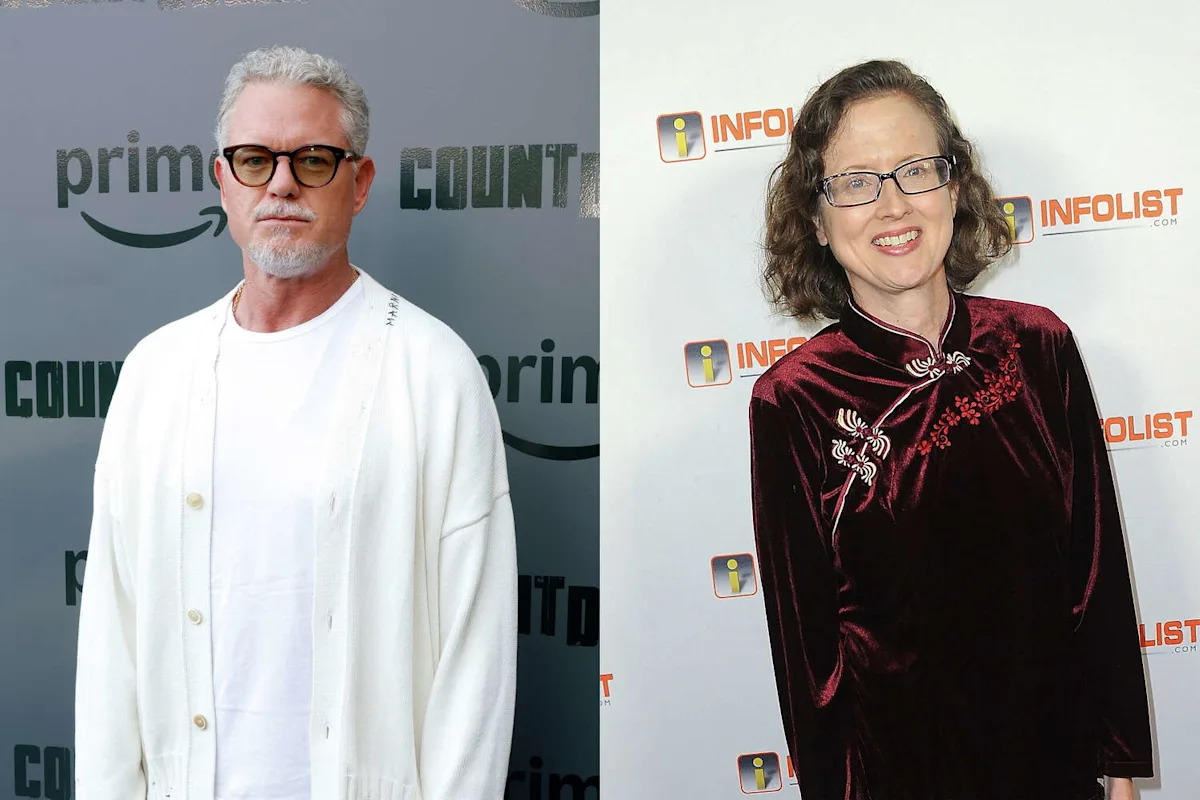
"He Was a Coward": Eric Dane Bullying Claims Rock Grey's Anatomy World
The passing of beloved actor Eric Dane, widely known as Dr. Mark Sloan, or "McSteamy," on ABC's hit medical drama *Grey's Anatomy*, typically would have been met with an outpouring of unanimous grief and fond remembrance. However, Dane's death has inadvertently reignited a contentious debate within the Hollywood community, bringing to light serious allegations of bullying from a former *Grey's Anatomy* co-star. Laura Ann Tull, who worked as an extra on the show for three years, has publicly accused Dane of egregious bullying, using stark language that paints a starkly different picture of the actor than the one often shared by his prominent colleagues. Her accusations, prominently featuring the phrase "
he was a coward," have sent shockwaves through the fan base and the industry, forcing a difficult conversation about the legacy of public figures and the often-unseen experiences of those working behind the scenes.
The Shocking Allegations: "He Was a Coward"
Laura Ann Tull’s claims emerged on social media, specifically Threads, following the news of Eric Dane’s passing. Her posts were blunt and emotional, aiming to disrupt the wave of tributes from Dane's more famous co-stars. Tull didn't mince words, writing, "He was a coward who abused me. Bullied me. Made fun of me." This powerful accusation highlights a deeply personal and painful experience she endured on the set of *Grey's Anatomy*.
What makes Tull's allegations particularly poignant is the context she provided for her suffering. She stated that Dane's bullying occurred "When I had beaten cancer. When I was getting sick with an autoimmune disease." This paints a picture of extreme vulnerability and suggests a profound lack of empathy from the alleged bully. Tull elaborated, describing Dane as a "stuck on himself narcissist," and declared firmly, "His dying doesn't change destruction he caused me."
Her account details that while she never spoke to Dane directly, she "did hear him talk about me" and gossip about her, particularly for reading classic literature on set. This form of indirect bullying, often involving social exclusion and reputational damage through whispered comments, can be just as insidious and damaging as direct confrontation, especially in a professional environment. These claims underline a critical discussion about respect and conduct in high-pressure work settings, raising questions about accountability even posthumously. For a deeper dive into these specific accusations, read our related article:
Laura Ann Tull Accuses Eric Dane of Bullying: The "Coward" Allegations Unpacked.
A Legacy Divided: McSteamy vs. The Accusations
Eric Dane’s portrayal of Dr. Mark Sloan was undeniably iconic. Introduced as a charmingly toxic, self-obsessed plastic surgeon, McSteamy evolved over nine seasons into a beloved, complex character known for his loyalty, compassion, and deep friendships. His character's legacy is so strong that the show's fictional hospital was renamed Grey Sloan Memorial Hospital in his honor. This on-screen evolution and the fondness fans held for him are reflected in the numerous tributes from his former colleagues. Kate Walsh, who played his first love interest, Dr. Addison Montgomery, praised his "sensitivity and vulnerability," sentiments echoed by other co-stars.
However, Tull vehemently insists that this praise is "grossly undeserved." Her assertion that his "narcissistic ego & bullying snotty behavior destroyed my health & well being" stands in stark contrast to the public persona and the loving tributes. This dichotomy has ignited a fiery debate online. Many fans have rallied to Dane's defense, accusing Tull of being an "attention seeker" and disrespectful for speaking ill of the dead. Tull, undeterred, has engaged with these critiques, firmly defending her right to share her truth and insist on accountability.
This situation underscores the painful reality that public figures, particularly those who achieve widespread admiration, can harbor private behaviors that contradict their public image. It forces us to reconcile the art with the artist, and the collective memory with individual experiences. The conflicting narratives highlight the complexity of human experience and the different truths that can exist simultaneously about one person.
Unpacking the "Wrongful Termination" and Exit Claims
Beyond the direct bullying accusations, Laura Ann Tull also made further claims regarding her employment and Dane's departure from *Grey's Anatomy*. Tull alleged she was "wrongfully terminated" from the show due to her illness, implying a lack of support and potentially discriminatory practices on set. This claim, if substantiated, would point to systemic issues within production environments regarding the treatment of crew members, particularly those in less prominent roles like extras.
Even more controversially, Tull claimed she was the reason Eric Dane was eventually fired from the show, suggesting she played a direct role in his 2012 exit by contacting production. However, public records and statements from Dane himself offer a different narrative. *The Hollywood Reporter* stated that Dane's departure was driven by creative decisions and budget considerations, as long-running cast members naturally become more expensive. Dane himself acknowledged during a 2024 appearance on Dax Shepard's "Armchair Expert" podcast, and in subsequent interviews, that he was struggling with substance abuse at the time of his departure. While he noted this wasn't the sole reason for his dismissal, it certainly played a role in his personal journey during that period. There is no public record or verifiable evidence to support Tull's claim that she influenced Dane's departure. This discrepancy highlights the challenges in verifying claims made years after an event, especially when one party is no longer able to respond. For more information on the reasons behind Dane's exit, you can refer to our article:
Eric Dane: Unsubstantiated "Coward" Claims and Grey's Anatomy Exit Details.
The Silent Struggle of Background Actors
Tull's experience sheds light on the often-overlooked and vulnerable position of background actors or extras in Hollywood. While integral to creating a realistic set, extras often have limited protection, little voice, and are at the mercy of the prevailing set culture. Their opportunities for advancement or even continued employment can be tenuous, making it incredibly difficult to report misconduct without fear of reprisal or being blacklisted.
For individuals working in such roles, understanding the dynamics of a set is crucial:
- Understanding Hierarchy: Recognize that while everyone contributes, power structures are steep.
- Documentation: Keep records of call times, interactions, and any incidents, if possible.
- Knowing Your Rights: Familiarize yourself with SAG-AFTRA (if unionized) guidelines or general labor laws regarding workplace conduct.
- Seeking Support: If available, know your production's HR contact or mental health resources. Sometimes, simply speaking with trusted colleagues can provide a sense of solidarity.
The emotional and professional toll of enduring bullying, especially when compounded by personal health struggles, can be devastating. Tull's story underscores the need for greater awareness and protection for all levels of cast and crew.
The Broader Conversation: Bullying in Hollywood
The allegations against Eric Dane, regardless of their verification status, serve as a stark reminder of the ongoing issue of workplace bullying and misconduct within the entertainment industry. The "Me Too" movement has shone a bright light on various forms of abuse, but bullying – particularly that which comes from individuals with significant power or status – often remains a quieter, though equally damaging, problem.
Creating a safer and more respectful environment on set requires a multi-faceted approach:
- Clear Anti-Bullying Policies: Productions need robust, clearly communicated policies that explicitly define and prohibit bullying.
- Anonymous Reporting Mechanisms: Establishing trusted, confidential channels for reporting misconduct without fear of retaliation is essential.
- Mandatory Training: Regular training for all cast and crew on respectful workplace conduct, power dynamics, and bystander intervention can foster a healthier culture.
- Emphasis on Mental Health Support: Providing accessible mental health resources helps individuals cope with stress, harassment, and discrimination.
- Accountability: Consistently enforcing policies and holding individuals accountable for their actions, regardless of their status, sends a clear message that such behavior will not be tolerated.
The discussion surrounding Laura Ann Tull’s claims highlights the enduring struggle for justice and recognition faced by those who have experienced abuse in powerful industries. It prompts a necessary re-evaluation of how we memorialize public figures and how we ensure that all voices, especially those historically marginalized, are heard and respected.
In conclusion, the allegations leveled by Laura Ann Tull against the late Eric Dane have undeniably cast a shadow over his memory and sparked a fierce debate. While Dane's legacy as McSteamy remains a cherished part of *Grey's Anatomy* history, Tull's powerful claims – particularly that
eric dane coward was a bully who caused her immense suffering – demand consideration. This complex situation ultimately underscores the critical need for a more empathetic, transparent, and accountable culture across all levels of the entertainment industry, ensuring that every individual's experience on set is one of safety and respect.